











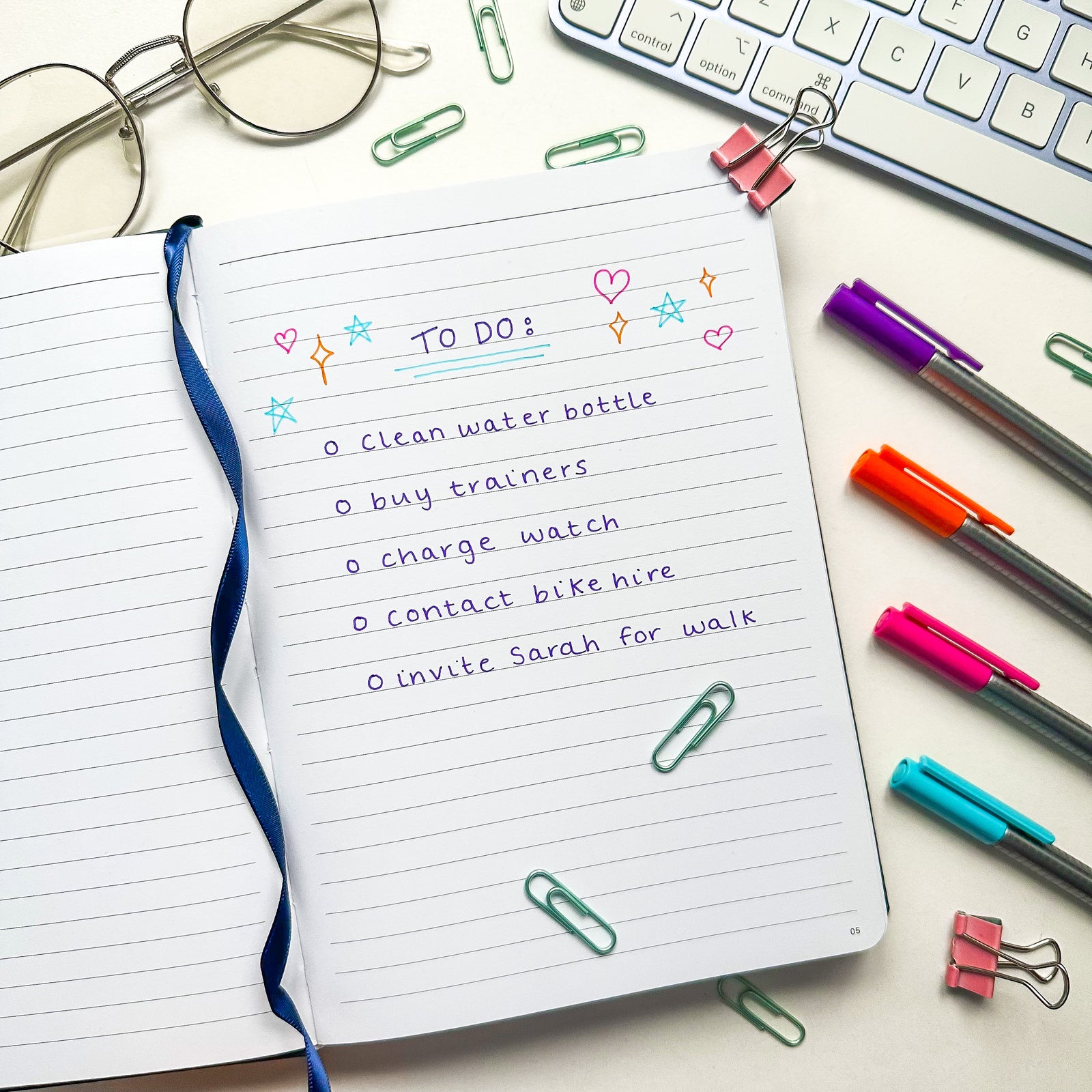
Is there a more frustrating feeling? The sun’s set, the day’s disappeared, you’ve been non-stop busy. Only to look up and ask yourself, “what did I actually accomplish today?”
And the penny drops. You did not move any closer to the goals that matter to you.
That is why to-do lists matter. They are not the most exciting subject in the world, but what they do is. Because watching your goals come to life? Now that is exciting. Here is how to write an effective to-do list, and how to choose the right notebook or planner to stick with it.
How to write your to-do list
Step 1: Know your goals
Your to-do list holds the tasks you want to accomplish each day. Ideally, these connect to the milestones you are aiming for each month or quarter. If you are still clarifying direction, our guide to finding purpose can help.
Step 2: Break down your list
Once you know where you are heading, break bigger projects into smaller tasks that mark progress along the way. For example, “write essay for class” might become “research essay”, then “outline essay”, then “draft introduction”.
Smaller steps build momentum. They also make it easier to see progress on busy days when a big project would otherwise sit untouched.
Step 3: Choose controllable tasks
If your list depends on someone else finishing their part first, you may carry the same task forward for weeks. Reframe it around what you can do.
For instance, “get presentation from Julie” might become “chase Julie for presentation” or “draft slides while waiting for Julie’s notes”. You stay in control of the next action.
Step 4: Prioritise your tasks
Even with the best intentions, you will not finish everything every day. Place your most important tasks at the top of your list, when your energy is usually highest. Lower-priority tasks can sit at the bottom for when time allows.
A daily planner helps you keep three priorities at the top of your list, with space for everything else below. See our guide to types of goals for how to connect daily tasks to bigger milestones.
Step 5: Make it manageable
Be realistic about what one day can hold. If you never complete your list, motivation fades fast. Start with a list you are confident you can finish, then add tasks gradually as your rhythm improves.
A big focus on the little things
It is easy to forget the power of tiny actions. Those little things add up. They come together to create something meaningful. Daily tasks move you towards your goals through sustained action, purposeful habits and consistency.
Your to-do list also directs your focus. When your mind wanders and you know you should be doing something, your list tells you what matters right now. That clarity alone can save half an hour of procrastination.
What you need to write an effective to-do list
Your to-do list tools are simple. In fact, there are only three essentials:
- Something to write on, whether that is a notepad, planner or tear-off pad with enough space for daily tasks
- A pen, and optionally a few colours if you like to colour-code by category or priority
- A clear idea of your goals, the trickiest part, but the most important. You need to know where you are going to plan the path there
The format you choose changes how the list feels to use:
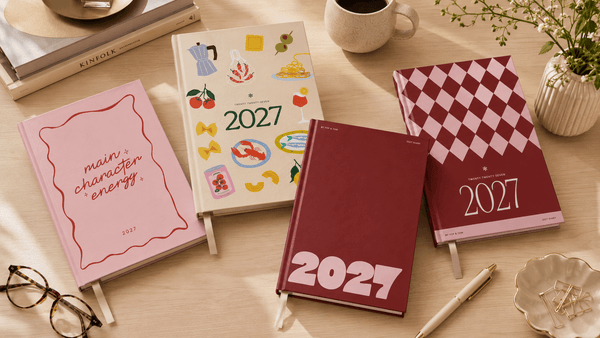
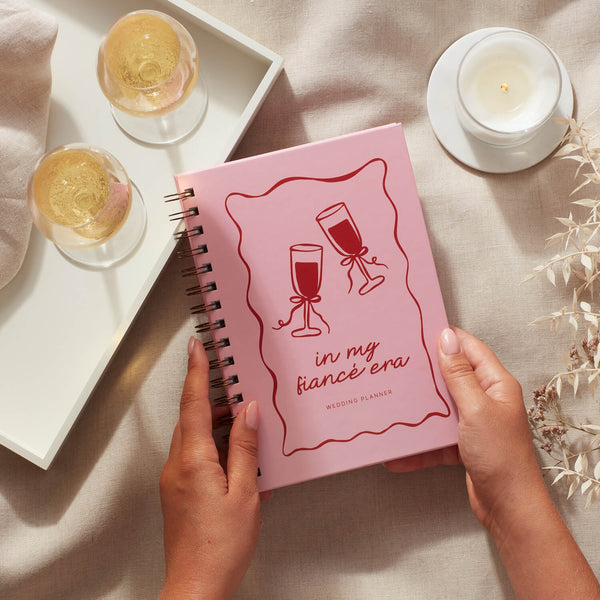
- Daily planners give you dated or undated pages with space for priorities, appointments and to-dos in one layout. Good if you want structure without drawing your own spreads.
- Tear-off pads are brilliant for a fresh list each day. Write it, complete it, tear it off, start again. No leftover clutter from yesterday.
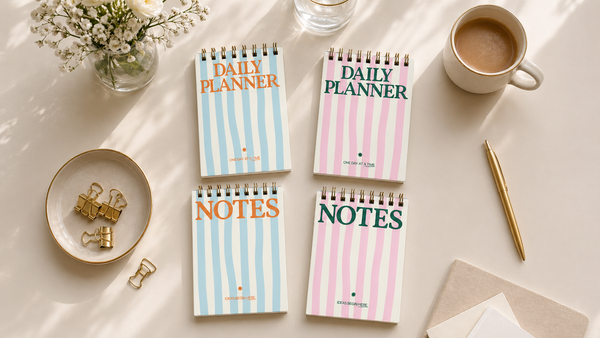
- A6 wirebound notepads fit in a bag or on a small desk. Choose a daily planner pad for structured days, or a lined pad if you prefer a blank list format.
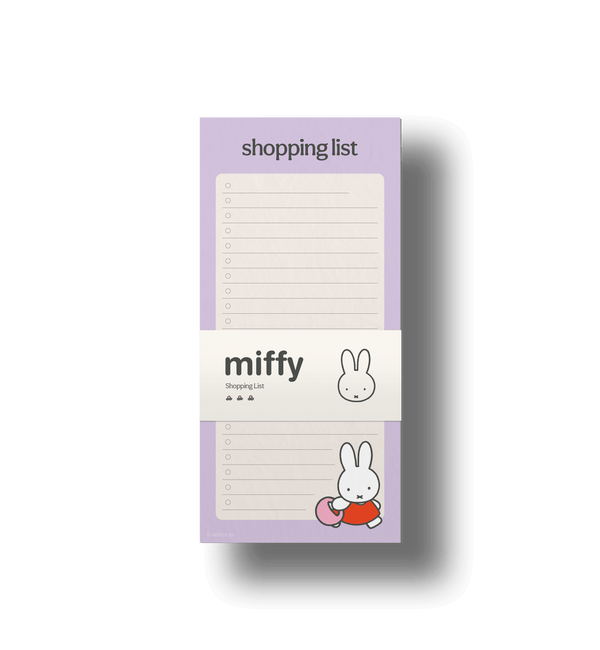
- Miffy to-do list notepads do the same job with a cheerful tear-off layout that makes list-writing feel lighter.

You do not need anything fancy. You need something you will actually pick up each morning.
How to make a to-do list on paper
Writing your to-do list on paper feels different from typing it on your phone or laptop. Crossing off a task by hand gives a small sense of achievement that a tick on a screen rarely matches.
A paper list sits in front of you all day as a visible reminder. It is not buried in tabs, apps or notifications. You are not opening your phone to check a task and ending up somewhere else entirely.
Many people like a calm morning ritual: review yesterday, write today’s list, then get started. You can still use digital reminders for time-sensitive tasks (calendar alerts, appointment notifications) while keeping the main list on paper.
If you are weighing both approaches, read our paper vs digital planner comparison.

Finding an effective to-do list format
Work vs personal
If work and home tasks blur together, try two separate lists (or two notebooks) so you can switch off more easily. If you are productive at work but personal admin slips, a hybrid list with everything in one place may work better. Experiment and notice which version you actually finish.
Priorities first
When focus wanders, move your top three priorities to the top of the page so they are the first thing you see. Decide what is essential versus nice-to-have, then work in that order. Undated daily planners often include a “top three” or priority section built in.
Colour-coded tasks
On busy days with lots of small tasks, colour coding helps you see where your time goes. Try categories such as meetings, urgent, personal, self-care and admin. Assign a colour to each and scan the list at a glance.
Kanban style
Group tasks into to do, doing and done. This suits longer projects where items move through stages over several days. You can draw three columns in a dotted notebook or use a dedicated planner layout.
Weekly vs daily
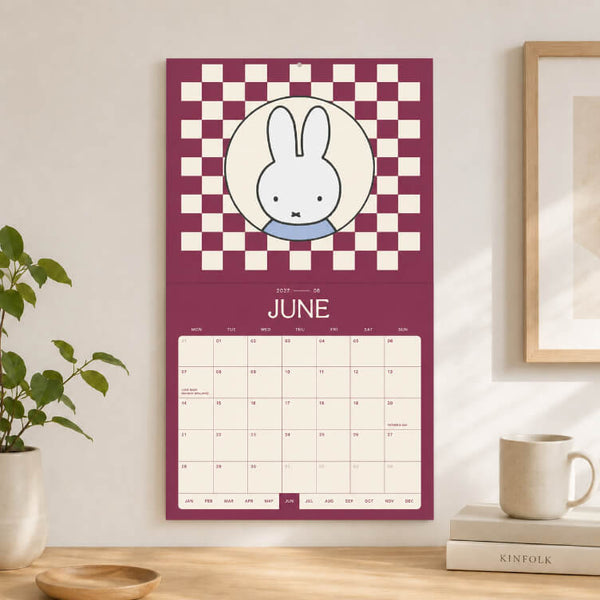
Daily lists are the classic format, but a weekly overview helps you batch similar tasks and plan focus areas before the week runs away from you. You do not need every micro-task on the weekly view. Save detail for the daily list instead.
What to do when your to-do list is not working
When you have got too much to do
If you consistently miss tasks, investigate where your time goes. Track a few days (apps like Toggl can help) and notice how long tasks really take. Restructure your list around your actual capacity, not your ideal day.
When you cannot focus
Try the “one-thing method”: write a single task on a sticky note and leave it visible until it is done. Sometimes the full list is overwhelming even when each item is reasonable.
When the same tasks keep getting carried over
Ask why. Does the task still match your goals? Is it too vague? Are you avoiding it? Does it need breaking down further? Or is it simply no longer relevant? Delete or delegate where you can. A reading journal habit tracker taught us the same lesson: track what you control. Our habit tracker guide explains that approach in more detail.
Now it is your turn. Choose a format that appeals to you, start small, and adjust as you learn what works.
Choose your to-do list home
Still deciding what to write on? Here is a quick guide to our most popular options:
Daily planners, best for dated structure, monthly overviews and daily priority sections. Browse daily planners if you want one notebook that handles planning and to-dos together.
Tear-off to-do pads, best for a clean slate every day. Our DL to-do list pad and A5 “today’s plan” pads are made for quick lists you can tear off and leave behind. See the full tear-off pads collection.
A6 wirebound notepads, best for desks with little space or lists on the go. Choose a daily planner pad for structured days or a lined pad for a simple running list. Explore A6 wirebound notepads.
Miffy to-do list notepads, best if you want the same tear-off convenience with a bit of joy on the page. Perfect for kitchen counters, student desks and gifts. Shop Miffy notepads.

Prefer a blank notebook you already own? A lined notebook and a simple list format works perfectly. Add symbols from your bullet journal key if you mix rapid logging with daily tasks.

Looking for a gift? To-do pads and pocket planners make thoughtful presents for busy friends, students and anyone getting organised. Browse gifts for ideas.
However you write it, the best to-do list is the one you will use tomorrow morning too.