












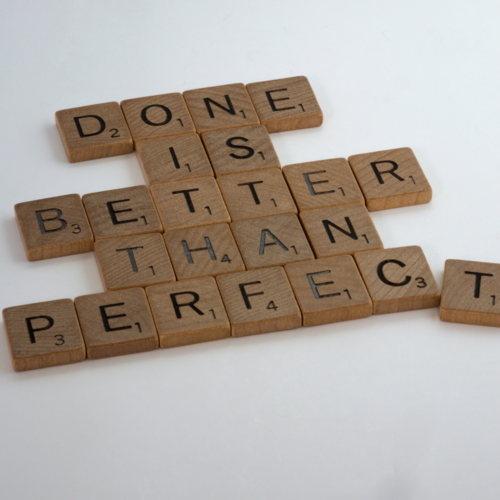
Raise your hand if you are a perfectionist. All the hands go up at Yop & Tom HQ. Here is what we have learned about overcoming perfectionism — and how to stop worrying about getting it right.

Why perfectionism exhausts you
Perfectionism is sometimes celebrated as a strength. But the pressure is exhausting. It squashes self-esteem, makes it harder to get back up, and harder to try again.
Imagine if everything came out perfect the first time — we would never have the films, books, art and music that inspire us. Every creative story includes ups, downs, and learning along the way.
Enjoy the process, not just the result
New bullet journalers often ask us how to get it right. But there is no single right way — only your way. The same applies to any new skill, hobby, or study goal.
Place less emphasis on the flawless result and more on enjoying the longest part: the process itself.
Journaling prompt: instead of asking how do I get it right, ask how can I enjoy the learning process? List steps — celebrate small milestones, learn with a friend, note progress weekly.
When you make mistakes
You are planning the week in your journal. The spread looks pristine — until a typo lands and your mood drops. A few mistakes do not erase the value of the session.
If we wanted perfect pages, we would type on a computer. You chose creativity and freedom. Reframe errors as quirks:
- Turn a typo into a doodle
- Celebrate messy handwriting with playful lettering
- Add illustrations to balance the page
- Layer sketches to show evolution
Our dot grid journal went through seven versions before it reached the one you know — small improvements (thicker paper, lighter dots, better lay-flat binding) that came from listening to real journalers. Progress beats waiting for perfect.
When perfectionism and anxiety stop you starting
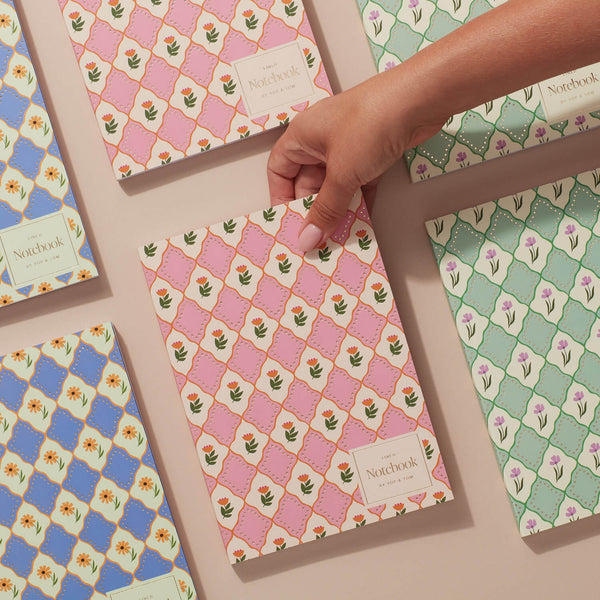
Social media can make every spread look effortless. Comparison fuels paralysis. Try building steadier habits in a lined notebook or wellness journal — low stakes, private, yours.
Pair with morning pages to clear crowded thoughts, or self-care journaling when the inner critic is loud.
