













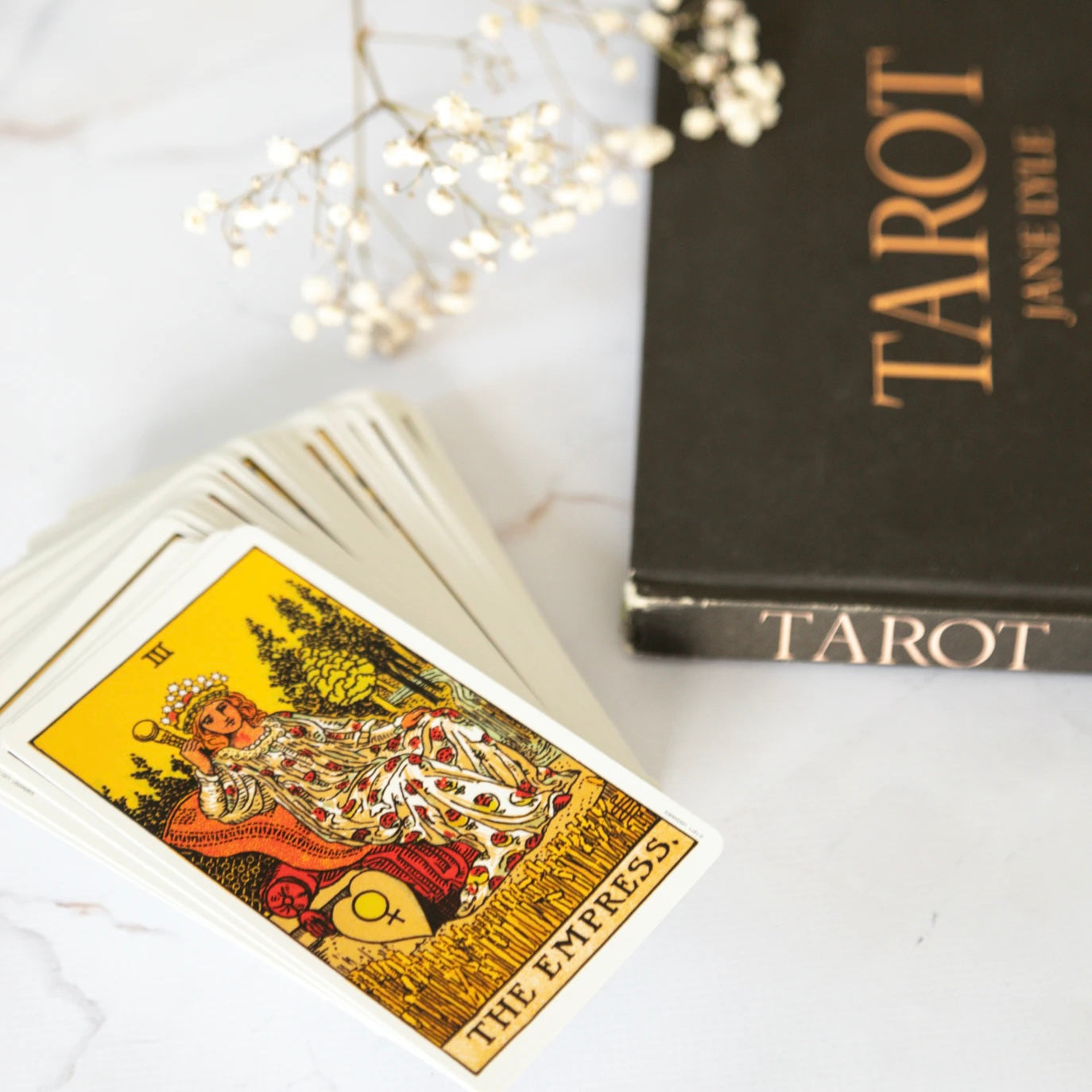
Have you heard of tarot journaling? If you are already interested in tarot, intuition work, or reflective writing, it may already be on your radar. And if you are not, it is worth keeping an open mind. From connecting with your intuition to making decisions with more clarity, there is a lot to gain from pairing tarot with a journal. Even, or especially, if you feel a little nervous right now.
What is tarot journaling?
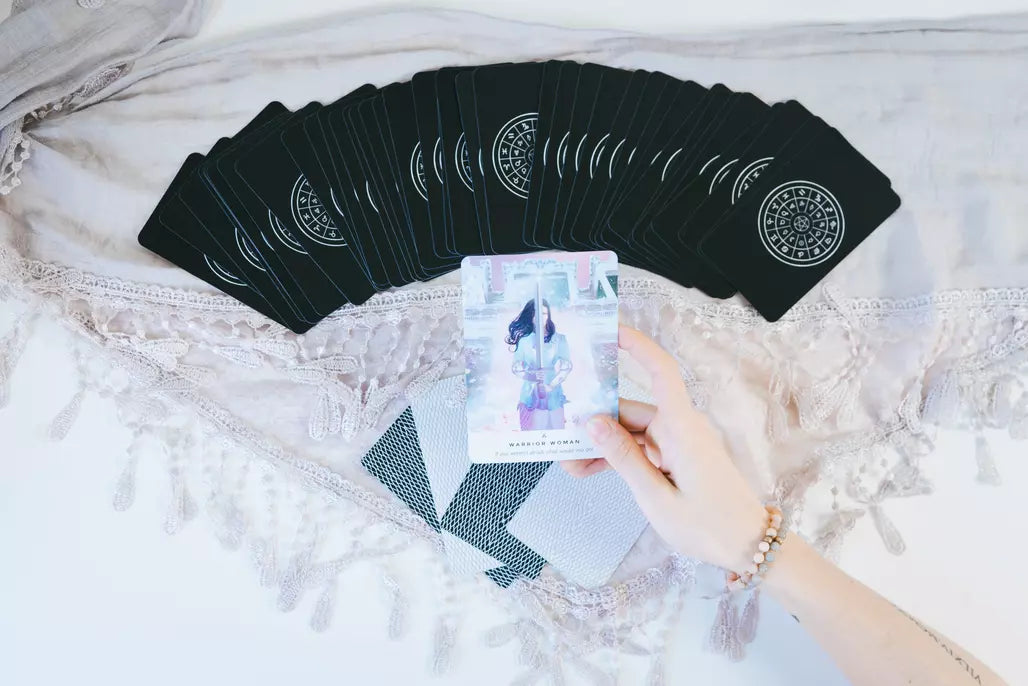
Tarot journaling is the practice of drawing tarot cards and using them as prompts for what you write next. It can be as simple or as detailed as you want.
Each card becomes a gentle nudge to explore an area of your life, or yourself, in the journaling session that follows. The idea stems from the long history of tarot. Although tarot is often linked with fortune telling, many people use it as a way to connect with intuition rather than predict the future.
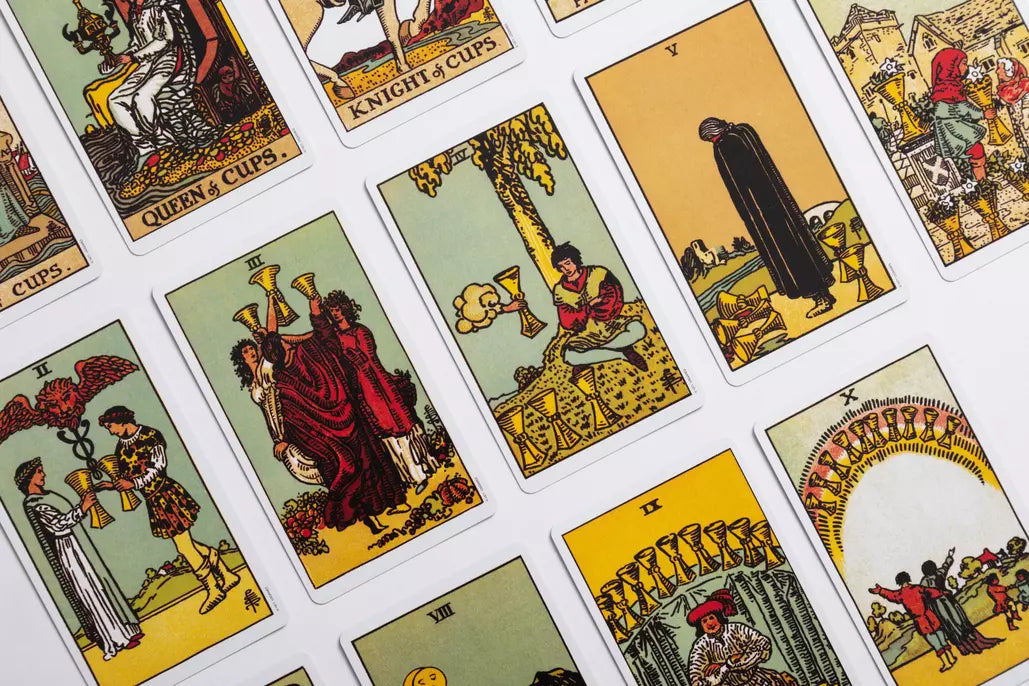
Every tarot deck is a little different. Designs and naming vary, but the structure is familiar. The Major Arcana contains 22 cards often used for bigger themes. The Minor Arcana contains 56 cards in four suits: Wands, Swords, Cups and Pentacles.
Feeling sceptical about tarot journaling? Read this
If you feel unsure about bringing tarot into your life, you are not alone. Many advocates describe overcoming their own doubts first.
We spoke to Giulia Mazzola, a life coach who helps people connect with their intuition. She explains how she once felt wary of tarot before realising it could be a tool for self-trust rather than something to fear.
“I was always curious about tarot but rather scared of it growing up. It was only when I began to see it as a tool for intuitive connection rather than divination that I realised it could be whatever I wanted it to be. The magic of tarot is that you have been learning about it your entire life through archetype, story, mythology and art. Once I truly believed that, tarot became a fun thing to explore rather than something to fear.”
Why keep a tarot journal?
Tarot journaling gives you a framework for the days when you stare at a blank page wondering what to write. Rather than free-form stream of consciousness, like morning pages, you are guided to connect with your inner voice and journal from there.
A regular tarot journaling habit can support more intentional decision making, reduce self-doubt, and prompt you to explore parts of yourself you might otherwise ignore.
Giulia started tarot journaling when she was already writing regularly but wanted something different while healing after an accident:
“About five years ago, I left a job in finance and felt a crushing sense of identity loss. I turned to journaling to process what was going on. Then, after a cycling accident, I felt pulled to use tarot. Every card I pulled seemed remarkably relevant. After two years of journaling, I realised that using cards was a way to unlock another layer of awareness for myself.”
An exercise in self-trust
Tarot and journaling both work on their own. Together, they let you go deeper.
“The symbiotic relationship of the two gave me a deep sense of self-awareness and a love of paying attention and being present in my life,” says Giulia. “A card that I pulled for the day would guide me to pay attention to what was going on in my surroundings. Then the journal entry would also inform the meaning of the card for me, so I began to develop this really lovely supportive relationship with my deck.”
As your practice grows, so does your confidence. Like bullet journaling, tarot journaling can be interpreted in your own way. Guidebooks can help, but they are guides, not rules.
“To me, journaling with the tarot is an exercise in self-trust,” Giulia shares. “Can I trust myself to show up each day? The daily exercise built a tiny brick of evidence of my own self-trust that eventually turned into a wall I could lean on.”
How to start tarot journaling
Choose a tarot deck
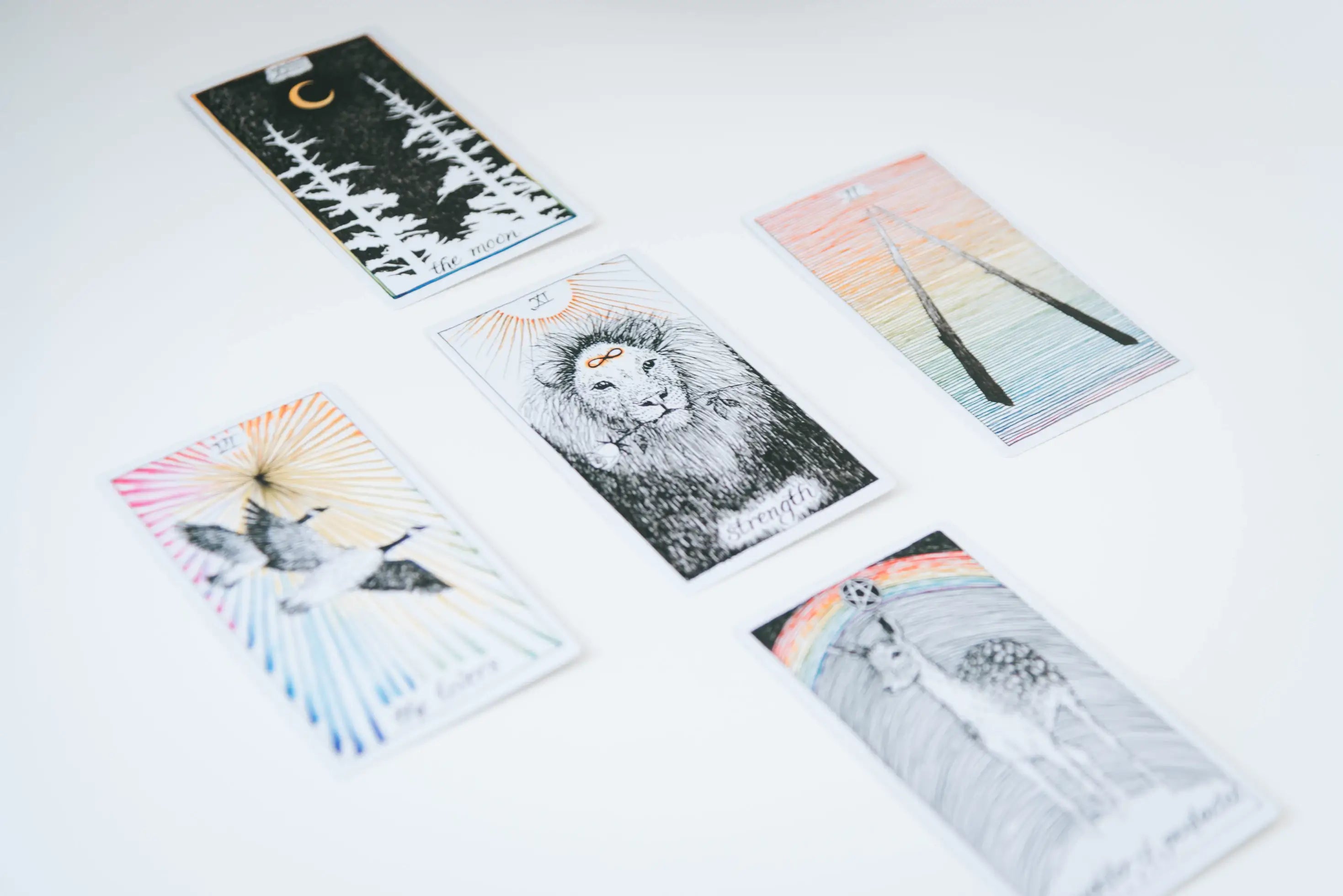
Getting your deck is personal. The design matters. If it does not feel like yours, you are less likely to use it. Shop around, try physical decks or a tarot app, and pick something that draws you in.
Pick your journal
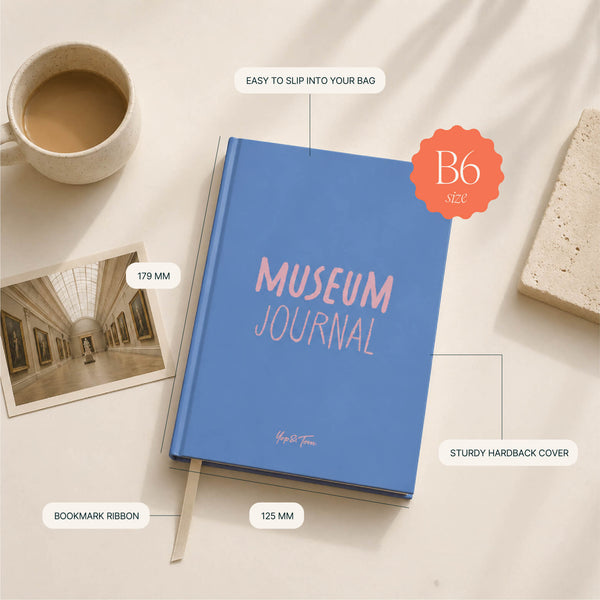
Look for enough structure to guide you, with freedom to interpret spreads your own way. A museum journal or wellness journal works beautifully: neat writing, room for sketches, and space for card names, dates, and reflections side by side.
Get your pens ready
A few pen colours can help you colour-code suits, moods, or phases of a reading.
Prep a tarot guide (optional)
If you feel nervous starting out, a guide can explain card meanings and give you a nudge. Giulia Mazzola offers a “Journal with the Tarot” PDF course. Biddy Tarot’s card meanings is another useful reference.
Set the scene
Find a calm corner of your home for your practice. Then stop worrying about getting it “right”. As Giulia says: “Tarot can be overwhelming for beginners because it can seem like you need to know everything. That is not true. You are your best teacher when it comes to tarot.”

Four tarot journaling ideas
1. Pull one card a day
The simplest way to begin. “Start small,” suggests Giulia. “Pull one card a day, asking what it is inviting you to pay attention to, and build your relationship from there.”
Pull a card each morning, set an intention around it, and journal briefly. The next day, reflect on what you learned before drawing again.
2. Gather your questions ahead of time
When you want clarity on a specific area of life, tarot journaling can help you think it through. Hold your question in mind, then:
- Pull up to three cards (more than that gets hard to interpret quickly)
- Note what you drew
- Look at each card’s imagery first. What stands out? What thought arrives?
- Then check your guide for traditional meanings. How do they connect to your question?
- Journal your answers. Revisit the entry later to spot themes
3. Bring tarot into moon journaling
Already practising moon journaling? Tarot can deepen it. Use a card pull to add a prompt for each moon phase and explore how the reading connects with your monthly intentions.
4. Experiment with different spreads
When you are ready for something more advanced, try established spreads where each card position has a role. This collection of tarot spreads is a helpful starting point for love, career, and general guidance.
Start your practice with the right journal
A compact museum journal is designed for rituals like this: enough structure to log draws and reflections, with a format that feels special on your desk or altar space. Pair it with our guide to 21 types of journaling if you want to combine tarot with other techniques.

However you begin, the best tarot journal is the one you open after every draw. Start with one card, one page, and see where your intuition leads.